Needle Valves
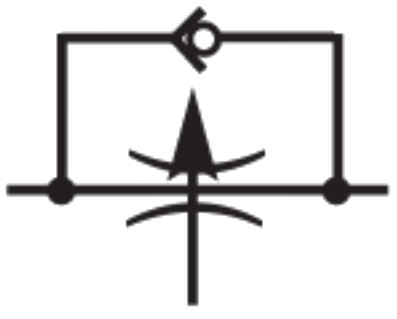
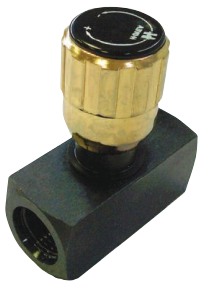
Controls flow in one direction. Rated pressure 5000 psi (315 bar).
| In-line flow control valves | |||
|---|---|---|---|
| Part number | Description | Parker part number | Maximum flow |
| 860158 | 1/4 inch NPT female-female | F400SFV | 5 GPM |
| 860159 | 3/8 inch NPT female-female | F600SFV | 8 GPM |
| 860160 | 1/2 inch NPT female-female | F800SFV | 15 GPM |
| 860161 | 3/4 inch NPT female-female | F1200SFV | 25 GPM |
| 860162 | 1 inch NPT female-female | F1600SFV | 40 GPM |
| 860163 | 1 1/4 inch NPT female-female | F2000SFV | 70 GPM |
| 860164 | #4 SAE female-female | F420SFV | 5 GPM |
| 860165 | #6 SAE female-female | F620SFV | 8 GPM |
| 860166 | #8 SAE female-female | F820SFV | 15 GPM |
| 860167 | #10 SAE female-female | F1020SFV | 15 GPM |
| 860168 | #12 SAE female-female | F1220SFV | 25 GPM |
| 860169 | #16 SAE female-female | F1620SFV | 40 GPM |
| 860170 | #20 SAE female-female | F2020SFV | 70 GPM |
| 860171 | #24 SAE female-female | F2420SFV | 100 GPM |
*All manufacturer names and part numbers are used for reference only.
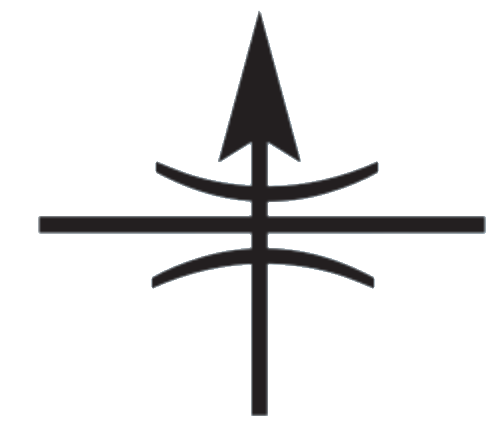
Controls flow in both directions. Rated pressure 5000 psi (315 bar).
| In-line needle valves | |||
|---|---|---|---|
| Part number | Description | Parker part number | Maximum flow |
| 860144 | 1/4 inch NPT female-female | N400SFV | 5 GPM |
| 860145 | 3/8 inch NPT female-female | N600SFV | 8 GPM |
| 860146 | 1/2 inch NPT female-female | N800SFV | 15 GPM |
| 860147 | 3/4 inch NPT female-female | N1200SFV | 25 GPM |
| 860148 | 1 inch NPT female-female | N1600SFV | 40 GPM |
| 860149 | 1 1/4 inch NPT female-female | N2000SFV | 70 GPM |
| 860150 | #4 SAE female-female | N420SFV | 5 GPM |
| 860151 | #6 SAE female-female | N620SFV | 8 GPM |
| 860152 | #8 SAE female-female | N820SFV | 15 GPM |
| 860153 | #10 SAE female-female | N1020SFV | 15 GPM |
| 860154 | #12 SAE female-female | N1220SFV | 25 GPM |
| 860155 | #16 SAE female-female | N1620SFV | 40 GPM |
| 860156 | #20 SAE female-female | N2020SFV | 70 GPM |
| 860157 | #24 SAE female-female | N/A | |
*All manufacturer names and part numbers are used for reference only.
Model code breakdown
- 1
- F(C)G
- Flow control with check, subplate or manifold mounting
- 2
- 02
- Size
- 3
- 1500
- Flow capacity
- 4
- (T)
- Options
- 5
- 50
- Design number
Flow control
F(C)G. Flow control with check valve, subplate or manifold mounting.
Size
02 — 1/4 inch
Flow capacity
| Code | Capacity |
|---|---|
| 300 | 300 cubic inches/min (1.30 gpm) |
| 1500 | 1500 cubic inches/min (6.50 gpm) |
| 2300 | 2300 cubic inches/min (9.96 gpm) |
Options
| Code | Description |
|---|---|
| T | Fine adjustment |
| — | Omit on standard models |
* Available as remanufactured only.
Design number
50
*All manufacturer names and part numbers are used for reference only.
Model code breakdown
- 1
- F(C)G
- Flow control with internal check, subplate or manifold mounting
- 2
- 03
- Size
- 3
- 28
- Flow capacity
- 4
- 22
- Design number
Flow control
F(C)G. Flow control with internal check valve, subplate or manifold mounting.
Size
03 — 3/8 inch
Flow capacity
28 — 106 L/min (28 gpm)
Design number
22
*All manufacturer names and part numbers are used for reference only.
Industrial hydraulic flow control valves and needle valves
Hydraulic flow control valves regulate oil flow in a hydraulic circuit so the speed of cylinders, hydraulic motors, and other actuators can be adjusted. They are used in industrial machinery, manufacturing equipment, clamping systems, and hydraulic circuits where component movement needs to be controlled.
Technical Union (TU) offers needle valves for industrial hydraulic applications, including in-line models with and without a check valve. These valves are available with NPT and SAE threaded connections, in different sizes and flow capacities, to meet the requirements of different hydraulic systems.
What are hydraulic flow control valves used for?
Flow control adjusts the travel speed of a hydraulic cylinder or the rotational speed of a hydraulic motor, when the circuit design allows this kind of regulation. It can also help coordinate movement between actuators and tune the operation of industrial equipment.
Needle valves regulate oil passage with an adjustment element that changes the valve’s internal opening. Selection depends on the required flow, working pressure, flow direction, and the characteristics of the circuit.
Needle valves with a check valve
Needle valves with a check regulate flow in one direction and provide a return path through the check valve in the opposite direction. This arrangement can be used when actuator speed needs to be controlled in one direction and the return should have less restriction.
Needle valves without a check valve
Needle valves without a check regulate flow in both directions. They are an option for circuits that need flow adjusted during both the extension and the retraction of a cylinder, depending on the system configuration.
Industries that use hydraulic flow control valves
Manufacturing and industrial automation
On production lines, assembly machines, and hydraulic workstations, flow control valves help set the speed of cylinders used to position, clamp, lift, or move components.
Metalworking and metal fabrication
Hydraulic presses, forming machines, clamping equipment, and positioning systems can use flow control valves to control specific working movements.
Plastics and rubber machinery
On injection molding machines, plastics processing equipment, and auxiliary hydraulic systems, flow control can help regulate opening, closing, positioning, and clamping movements, depending on the circuit.
Packaging and processing
Packaging equipment, industrial processing machines, and automated systems can use hydraulic actuators to move, clamp, or position materials. Flow control valves let those movements be set to the speed the application needs.
Material handling and industrial lifting
Lift tables, hydraulic platforms, positioning systems, and material handling equipment can use needle valves to regulate the movement of hydraulic cylinders.
Industrial maintenance and machinery repair
Hydraulic repair shops, component distributors, and maintenance departments use flow control valves to replace worn components or repair circuits that need speed regulation.
Applications and machine types
Hydraulic flow control valves can be used on different kinds of machinery, as long as the circuit parameters match the valve selected.
Some applications include:
- Industrial hydraulic presses and forming machines.
- Plastic injection molding machines.
- Assembly machines and automated manufacturing.
- Hydraulic clamping and positioning equipment.
- Lift tables and work platforms.
- Hydraulic systems for material handling.
- Production and industrial processing equipment.
- Hydraulic power units (HPU).
- Metal fabrication machinery.
- Industrial equipment with double-acting hydraulic cylinders.
- Test benches and hydraulic maintenance circuits.
- Hydraulic systems with motors and actuators that need flow regulation.
In-line flow control valves: connections and capacities
Selecting a hydraulic valve should take into account the maximum flow required, the working pressure, the connections, and the direction of regulation.
TU’s needle valve line includes female-female NPT and SAE connections, with sizes and capacities that vary by part number. The product page lists models with flow capacities up to 100 GPM on certain configurations with a check.
The needle valves listed have a stated pressure rating of 5,000 psi (315 bar). The allowable pressure of a complete installation also depends on the other components, the connections, and the system’s operating conditions.
Replacing hydraulic valves and selecting components
When a flow control valve needs to be replaced, comparing only the thread size or the appearance of the component is not enough. Check the valve type, the required flow, the working pressure, the connections, the direction of regulation, and whether a check valve is present.
Reference part numbers can help identify an equivalent valve, but compatibility should be confirmed against the technical specifications of the original component and of the application.
Technical Union helps industrial companies, hydraulic component distributors, and maintenance departments identify flow control valves for replacement and repair.
Request hydraulic flow control valves from Technical Union
If you are looking for hydraulic needle valves, in-line flow control valves, or components to repair an industrial hydraulic system, contact Technical Union.
Send us the part number, the connections, the working pressure, the required flow and, if available, a photograph or the data sheet of the existing valve. With that information we can help you identify a suitable option for your application.
Technical Union (TU) — Industrial hydraulic components for companies and distributors in Latin America, supplied from the United States.